Allergen Free Healthy Homes and Pets
Doctors Recommend Allergen Avoidance
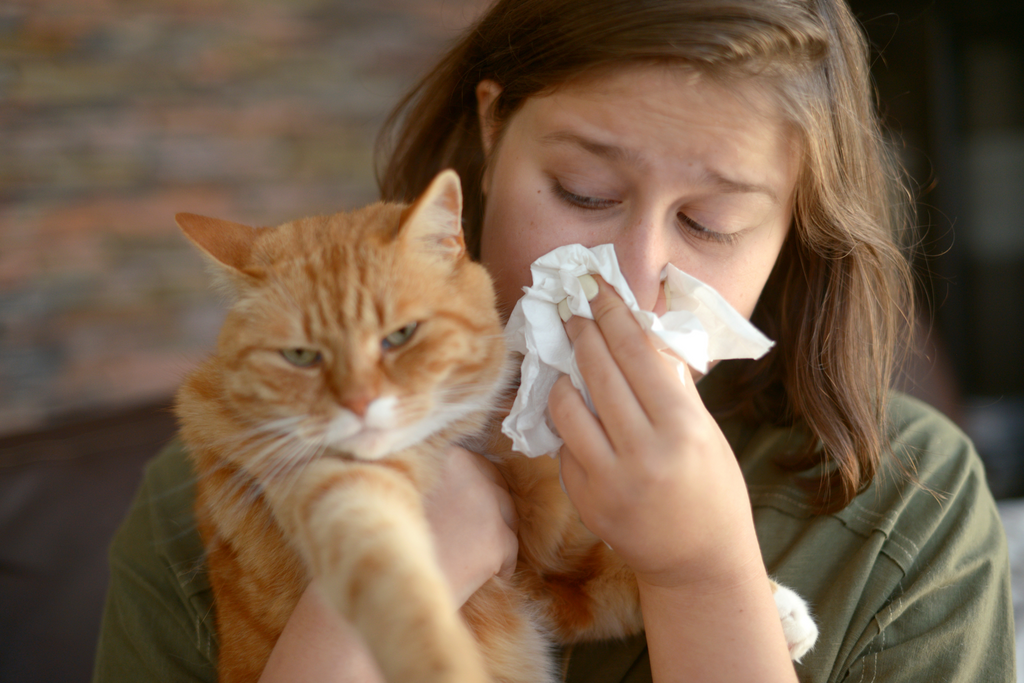
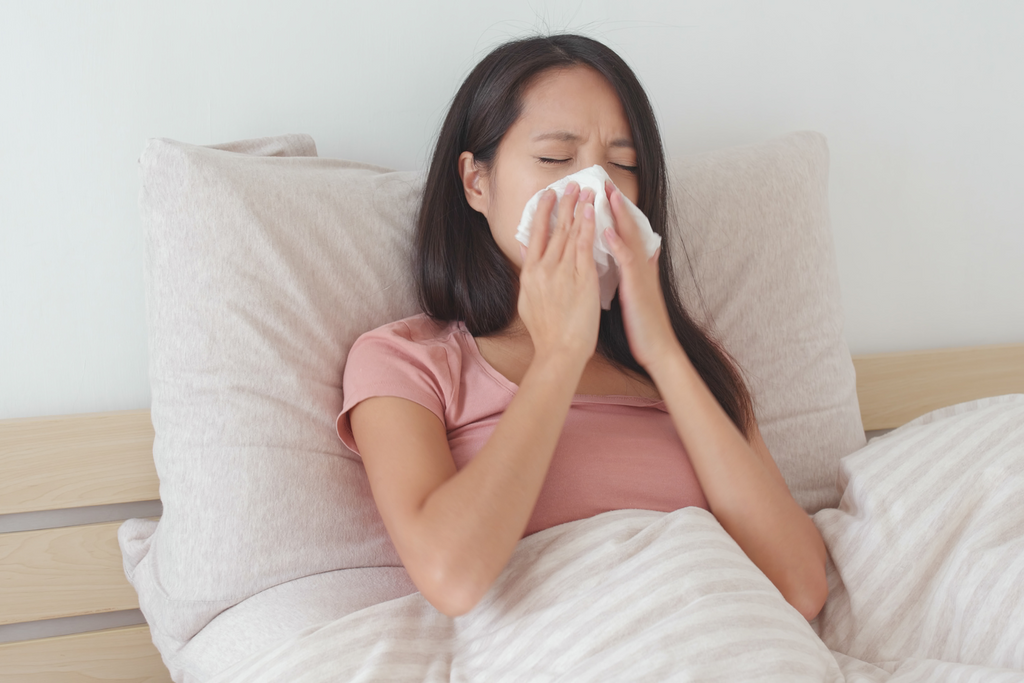
According to allergy and asthma physicians, one of the most effective ways to treat allergy symptoms is to begin by eliminating the allergens in the immediate environment.Miniscule particles that float through the air such as dust mite remnants, various pollens, mold spores, and animal dander can trigger allergic reactions. Once they are inhaled, allergy symptoms begin to manifest.
Allergy physicans have become aware of the role of our immune systems in combating common environmental allergens. If our immune system is inundated with too many allergens, our health may begin to deteriorate due to the increased stress our environment is creating upon our immune defenses. Fortunatley, there are pharmaceutical and environmental strategies to help allergy sufferers cope with each of the most common allergens mentioned above.
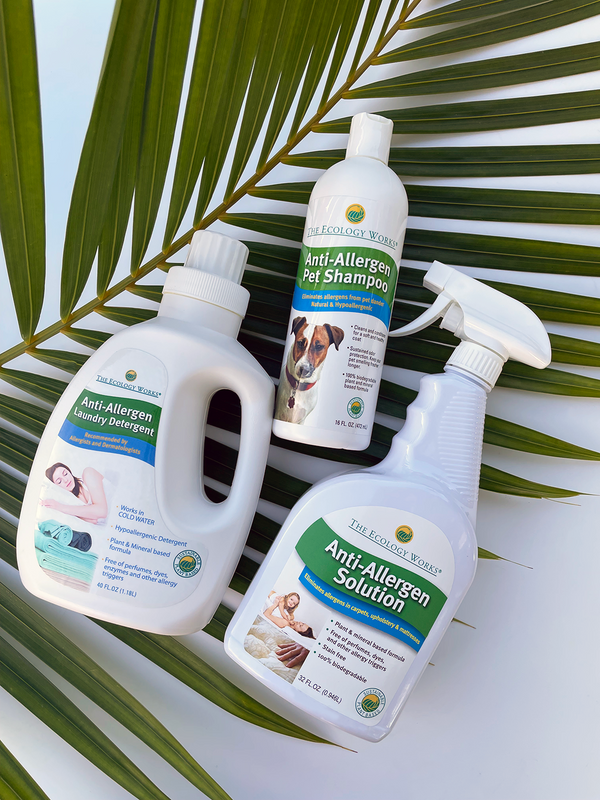
Here at The Ecology Works®, we take pride in the quality of products we offer those who suffer from allergies. We have over 10 years experience assisting those with environmental sensitivities and we are proud of the environmentally-friendly nature of all our products. If you are sensitive to the quality of the air you breathe, the cleanliness of your home or the clothes you wear, then we can help you with green solutions and products that can help you live a healthier life free from symptoms common to those who suffer from allergies.
Q&A
Q: What are the most common environmental allergens?
A: Dustmites, pet dander, dust particles, and pollens top the list.
Q: How does environmental control of allergens differ from pharmaceutical approaches?
A: Pharmaceutical and drug approaches to the control and alleviation of allergies focus primarily on the body's reaction to common allergens whereas environmental control attempts to remove the allergens causing allergic reactions from the immediate environment of the allergy sufferer.
Q: What causes the body's reaction to environmental allergens?
A: In most cases, environmental allergens cause allergic reactions that are relatively normal but may be particularly accentuated in individuals who are especially sensitive to their local environments. Dustmites, for example, may cause nasal congestion in virtually anyone, but some people may be more sensitive and notice that their breathing is abnormal upon awakening. By eliminating and controlling dustmite populations, normal breathing is likely to resume.
Q: What is the connection between a healthy home and an allergy-free home?
A: A healthy home is likely to be a clean home. And a clean home is likely to be an allergy-free home. However, there are different levels and approaches to cleaning. Just moving dust around to different places in your home is not adequate cleaning. Further, many cleaning products use harsh chemicals that may pose further environmental concerns. A healthy home and environment is a place where the air is fresh and free from toxic contaminants. Couches, beds, carpets, and upholstery must be kept clean as well. Pet dander, skin cells, cockroach debris, and the full litany of environmental allergens must be removed from our homes and kept in check on a routine basis. Regular cleaning throughout our homes is essential to maintaining a healthy home that will likely significantly reduce allergic reactions.
To submit your own question, please email This email address is being protected from spambots. You need JavaScript enabled to view it.
If you are an allergy sufferer, pet owner, parent of a child who suffers from allergies, or just want to make your home more fresh and clean using green and environmentally-friendly products, our products may be the perfect solution.
Click to see how our products can help create a healthy home.
Or call us today at 1.888.353.2649 if we can be of any assistance.
Daily Allergy Tip
Exposure to pollen generally comes later, which is why outdoor allergies rarely appear in children before the age of 3. As the child grows older, the food allergies so common to infants gradually disappear — only to be replaced by inhalant allergies